What is a Share?
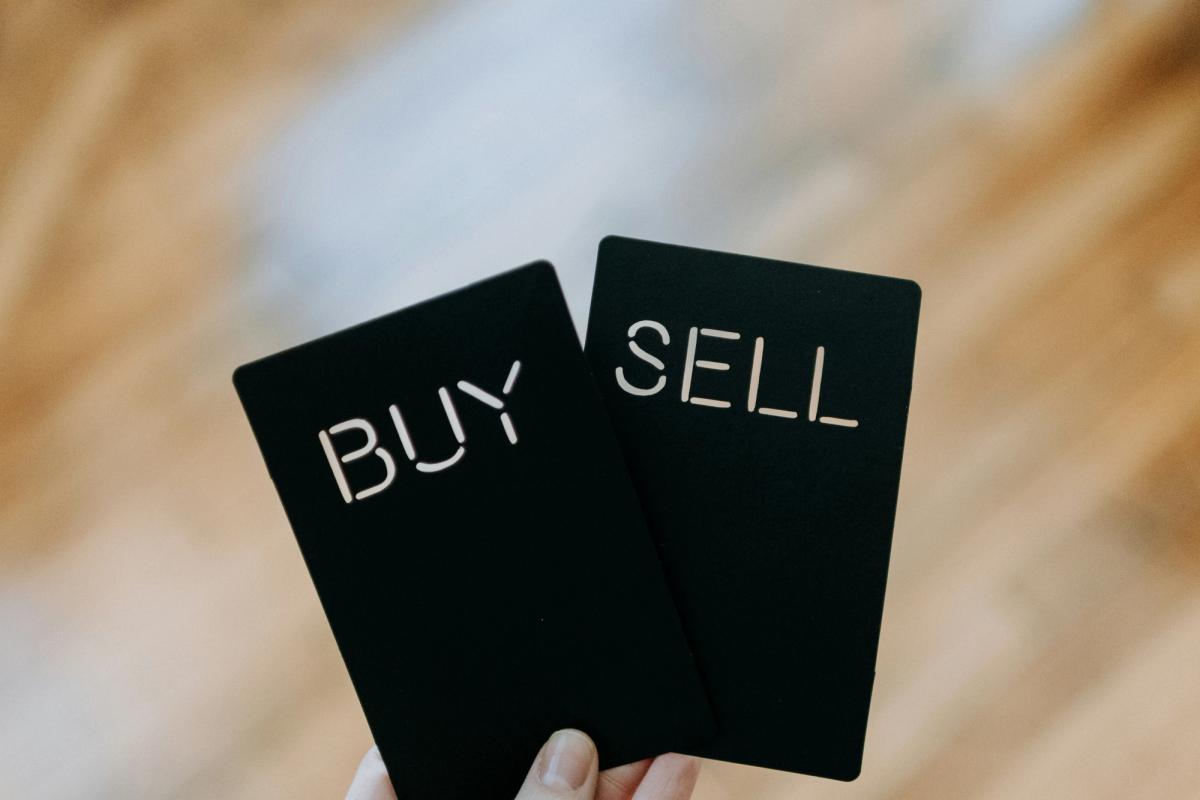
When people say they "own stock" or "have shares," what do they actually mean? I used to nod along without really getting it. Here's how I think about it now.
A stock is a small piece of ownership in a company.
If a company has issued 1 million shares and you own 1,000 of them, you own 0.1% of that company. You don't run the company. You don't get to walk in and use the office. But you do have a claim on a tiny slice of whatever the company is worth and whatever it earns. That's the core idea.
Why do companies issue stock?
Companies need money to grow — build factories, hire people, do research, buy equipment. They can borrow (debt) or they can sell ownership (equity). When they sell ownership, they're selling shares. That's what an "initial public offering" or IPO is. The company gets cash from investors. In return, those investors get a piece of the company.
What does owning a share actually give you?
Two things mainly. First, if the company grows and becomes more valuable, your shares become worth more. Second, some companies pay dividends — a share of their profits paid out to shareholders regularly, like a landlord collecting rent.
Why do stock prices go up and down?
Because people are constantly buying and selling shares based on what they think the company is worth. If investors think a company will grow faster than expected, more people want to buy — price goes up. If bad news comes out, people sell — price goes down. In the short term, prices move on emotion and expectations. In the long term, they follow the actual value of the business.
The simple version:
Buying a stock means becoming a part owner of a real business. Your returns depend on how well that business does over time. That's it.